







November 25, 2025
Should You Remove Old Floors Before Installing Stuga? Here’s How to Decide
by Haley Holm-Pedersen

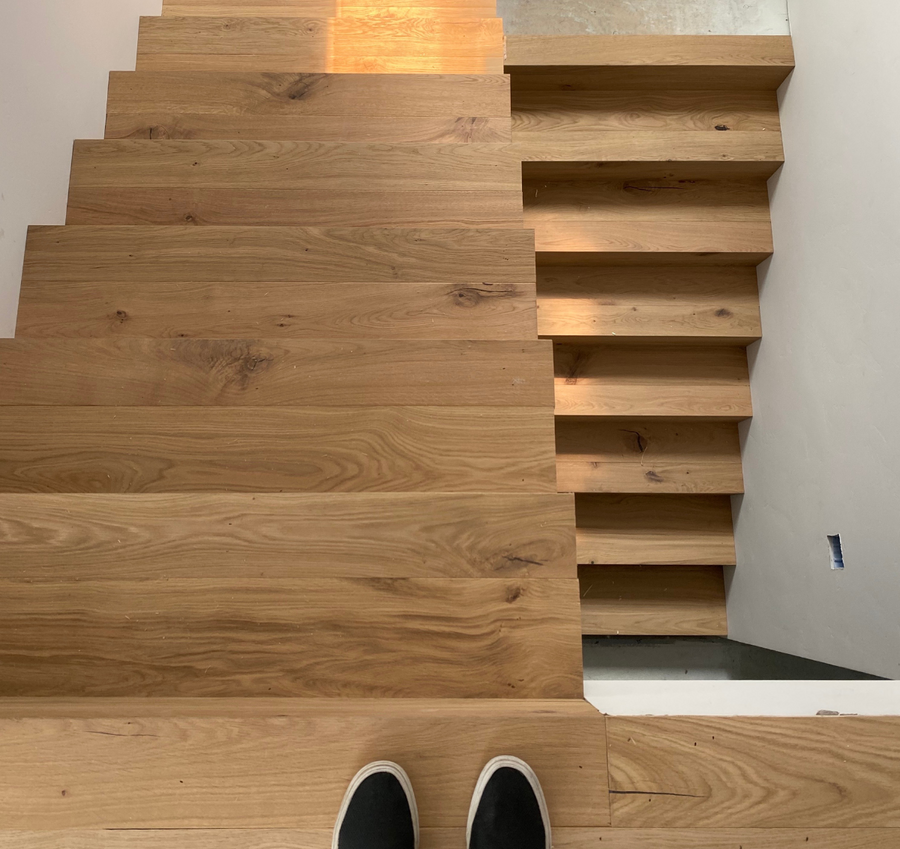
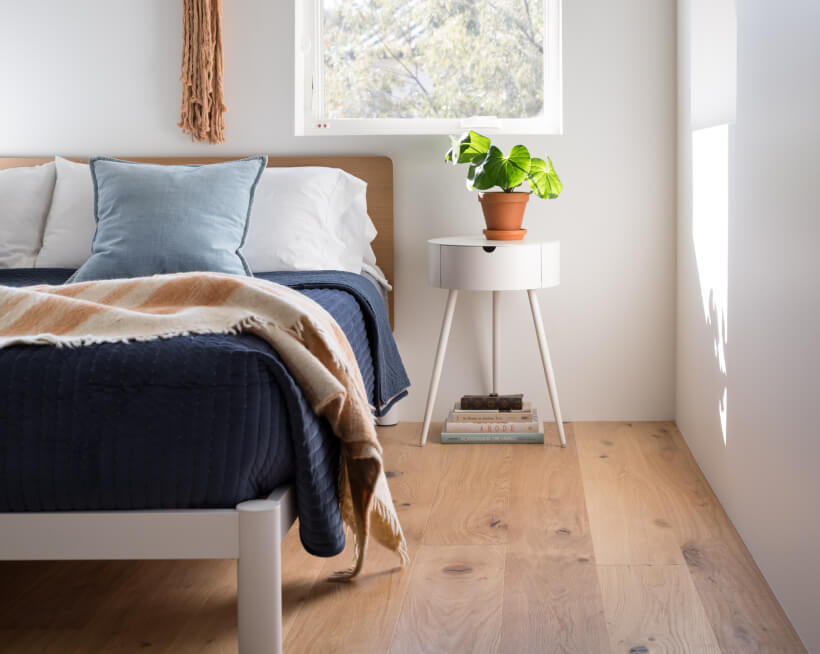
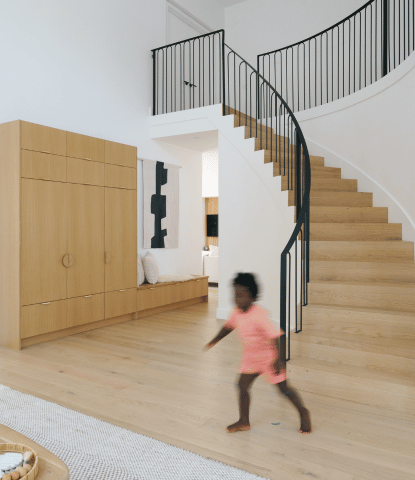
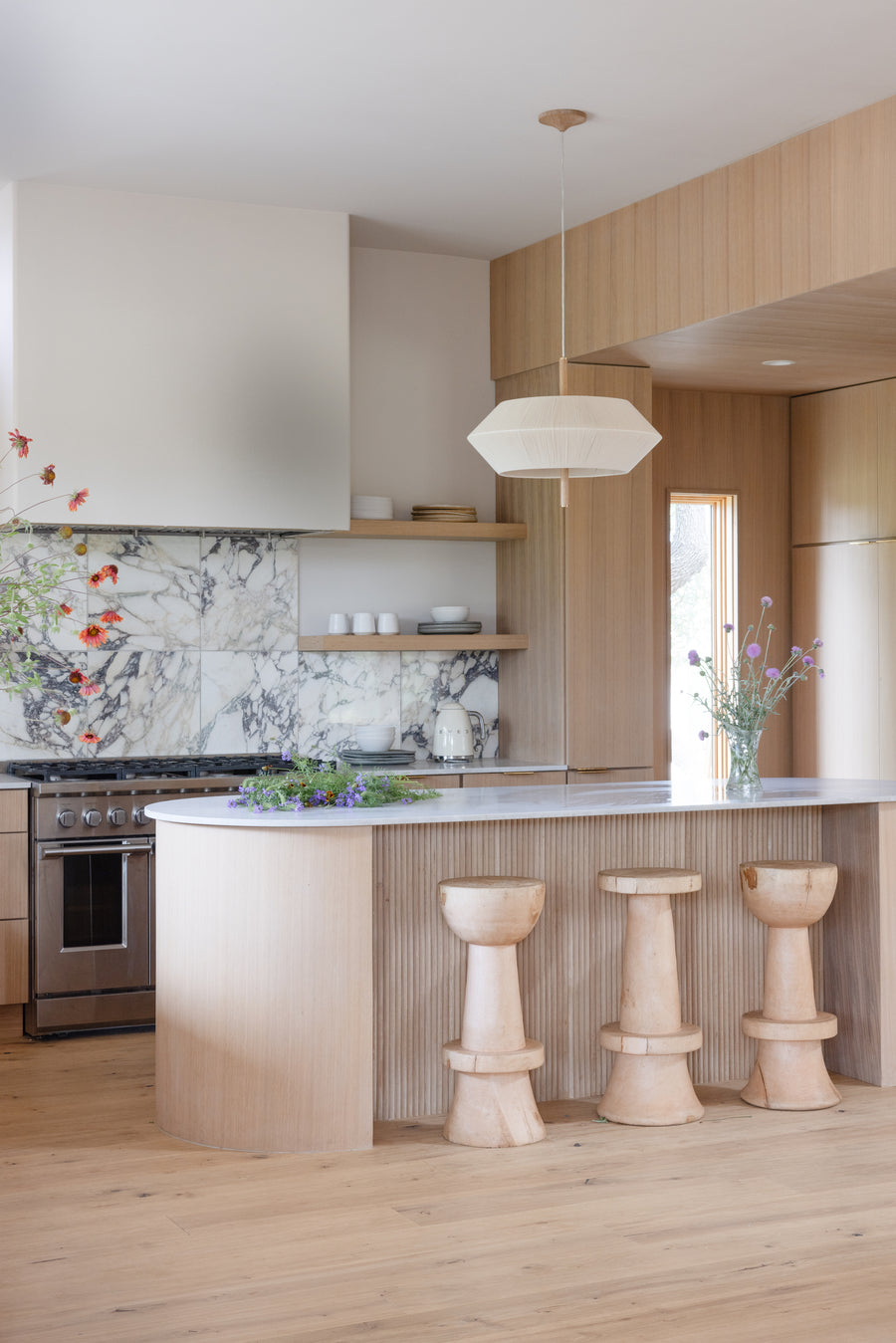
Floor featured: Greta | Photo: Nicholas Potts, Potts Projects
When you're planning for new wood floors, one of the first big questions is Do I need to remove my old floor… or can I float Stuga right over the top?
The short answer: both are possible. But choosing the right path can save you time, money, and a whole lot of dust.
At Stuga, we like to say our floors can be installed over any surface that’s firm, flat, and dry. That leaves room for flexibility, and some nuance. So let’s break down how to decide whether you should remove old flooring or install directly on top, plus what to expect if you opt for demo.
Installing Over Existing Floors: When It Works (and When It Doesn’t)
Stuga floors can be floated or glued over many existing surfaces as long as they meet the big three: firm, flat, dry. According to our Subfloor Prep Instructions, the subfloor must be level within 1/8 inch over an 8-foot radius, clean, and have proper moisture readings.
Going Over Tile
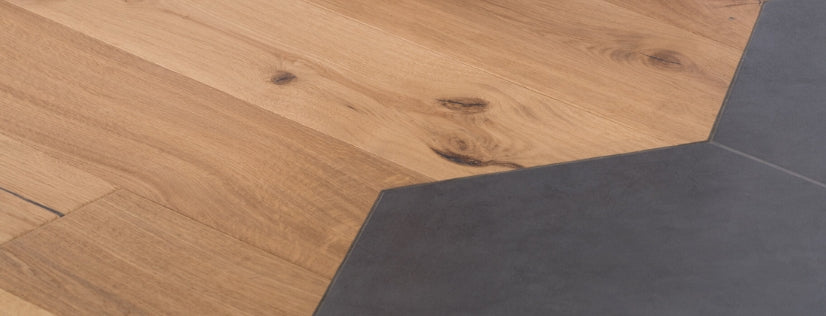
Yes, you can install Stuga over tile! The key is correcting the unevenness created by grout lines and any dips or high spots.
Most pros (and seasoned DIYers) use a self-leveling compound to skim the tile first. This smooths everything out so you can:
- Float your Stuga floors over underlayment or
- Use glue-down, which naturally fills in some minor inconsistencies
Both methods work, but the right choice comes down to your existing subfloor and the look and feel you want from your finished space. (If you need help deciding, this guide is a great starting point.)
Going Over Hardwood
Many people assume you can’t put hardwood over hardwood, but engineered wood floors aren't solid hardwood. That means Stuga can be installed on top of an existing hardwood floor if the old floor is:
- structurally sound
- not cupping or buckling
- securely fastened
- level within 1/8 inch
If the old hardwood is uneven or flexes underfoot, that’s when removal becomes the better path.
One Thing to Keep in Mind: Added Height
Installing over an existing floor adds… well, height.
That can affect:
- door clearances
- transitions to tile or carpet
- baseboards and casing
- built-ins or cabinets
If you go the “over-the-top” route, factor in an extra bit of work for undercutting door frames or adjusting trim.
When It’s Better to Remove Your Old Floors
Sometimes removal really is the cleaner, safer, or more predictable option. Here are scenarios where demo tends to win:
- Your old floor isn’t level, and fixing it from the top layer would be more work
- There’s movement or squeaking, meaning the subfloor below needs attention
- Moisture issues are present and need to be addressed at the source
- You want to avoid added height for transitions or doorways
Stuga floors perform best when installed over a stable, clean, properly-prepped subfloor, and sometimes the quickest way to get there is by starting fresh.
DIY Removal Tips
Removing old floors can take longer than most people expect… especially if your existing floors were glued to a concrete slab. BJ Brown, owner of Ingrained by Nature and one of our preferred installers in Austin, puts it plainly:
“Plan for more time than you think to demo and remove all wood glue from the slab, especially in corners and under baseboards and cabinets.”
Removing floors can be oddly satisfying, but it helps to have the right tools and expectations.
For Tile: A Demolition Hammer Is Your Best Friend
When I removed the tile in my last house, a demo hammer with multiple bits made all the difference. It sped up the job and saved my wrists. You can see the full story here.
- A few tips if you're taking on tile removal:
- Wear proper safety gear (dust mask, eye protection, gloves)
- Swap between chisel bits depending on how stubborn the tile is
- Work in sections so debris doesn’t pile up
- Use a shop vac constantly — the dust struggle is real
For Old Hardwood
If the boards are nailed down, you may need:
- a pry bar
- a mallet
- a circular saw to cut boards into sections (set carefully to the correct depth!)
If the boards are glued, brace yourself. Glue-down hardwood can require heavy scraping or even bringing in a demo hammer with a scraper attachment.
BJ also shared a clever trick for stubborn glue:
“If possible, soak old wood floors in water overnight to help loosen the glue.”
Just be cautious — as he warns — because too much water can cause damage to baseboards, door jambs, cabinets, and even electrical floor plugs. A spray bottle or damp towels work better than pouring water directly.
Once Floors Are Removed: Prep Matters
With everything cleared, check that your subfloor meets the requirements in our official guide:
- Level within 1/8 inch over 8 feet
- Moisture readings within the recommended range
- Clean, dry, and structurally sound
This ensures your new Stuga floors install beautifully and perform for decades.
And BJ's biggest advice, especially for cases with tricky glue? "Hire this part out and save energy for the prep and installation phases."
How to Choose: Remove or Install Over?
Here’s a quick decision guide:
Install Over Existing Floors If…
- your old floors are solid and level
- adding height won’t cause issues
- you want to skip demo your tile or hardwood is in great shape structurally
Remove Old Floors If…
- there are squeaks, soft spots, or loose tiles
- the old floor isn’t level
- you want the lowest possible finished height
- you want the most predictable, long-term solution
Still stuck? We have a blog here that walks through the different installation methods so you can decide what’s best for your project.