






January 12, 2026
4 Overhyped Flooring Features (and What to Look for Instead)
by Haley Holm-Pedersen

Photo: Likeness Studio
When you’re shopping for new floors, it can feel like the flooring industry has a checklist of features you’re supposed to care about. ‘Bulletproof’ finishes. Endless sandability. Specific thicknesses. And on and on.
The reality? Many of these talking points are overstated, misunderstood, or simply less important than they’re made out to be.
Here are four overhyped flooring features we hear about all the time, plus what actually matters instead.
1. Sandability
The flooring industry loves to talk about how many times a floor can be sanded. In theory, it sounds reassuring. In practice, you likely won’t sand your floors even once.
Sanding is typically reserved for major aesthetic changes like altering the color of your floor, not for everyday wear and tear. If your goal is to address scratches, buffing and recoating is a much easier solution.
What to look for instead: Sandability itself isn’t a negative thing, but it shouldn’t be your driving factor behind purchasing a floor. Instead, focus on finding a floor that you love and can’t wait to live with every day. If you like having the option of sanding in the future, go for our Icons — they can be sanded twice.

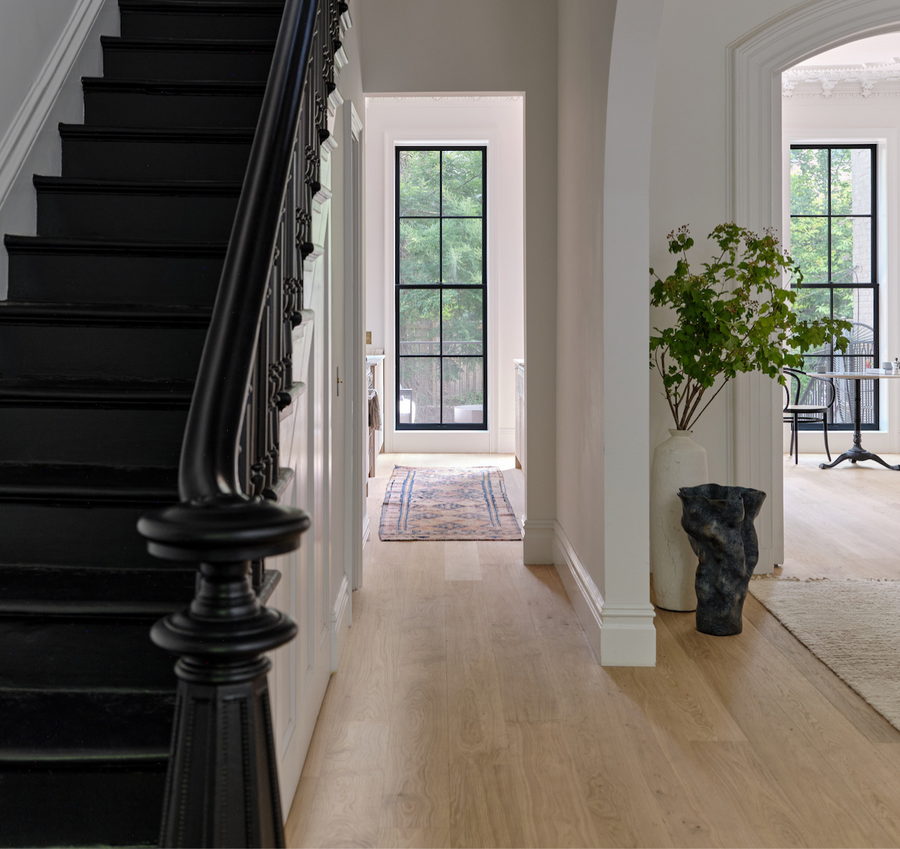
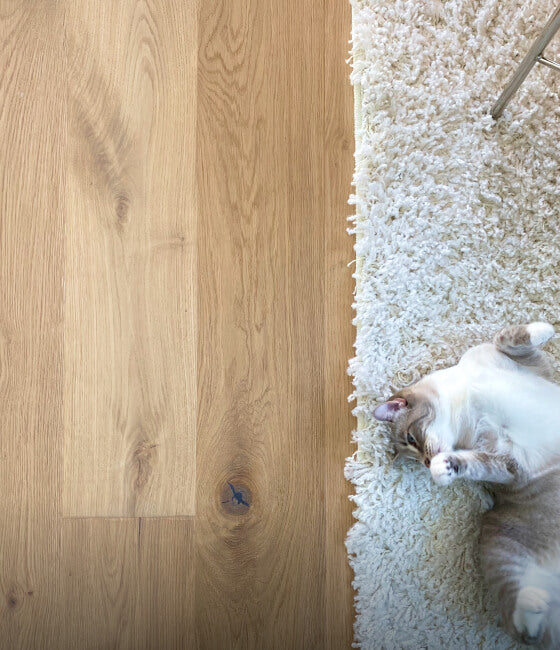
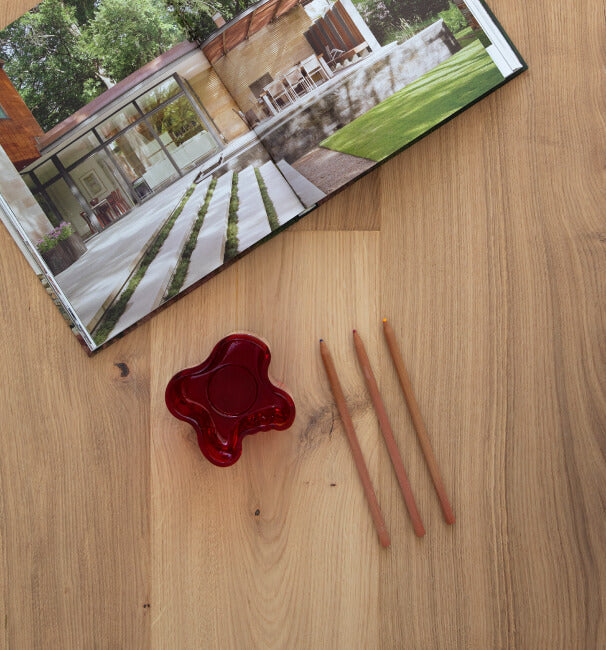
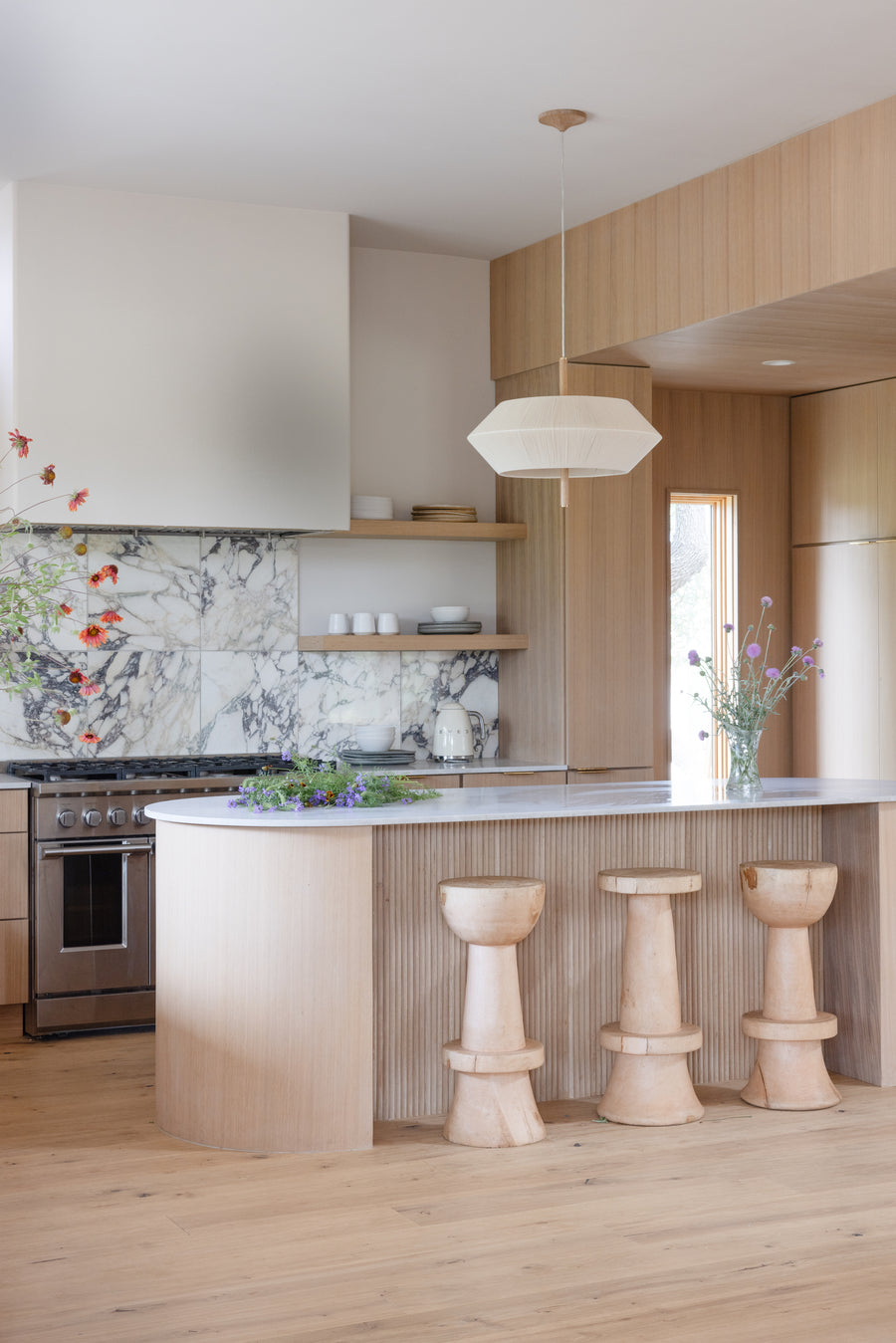
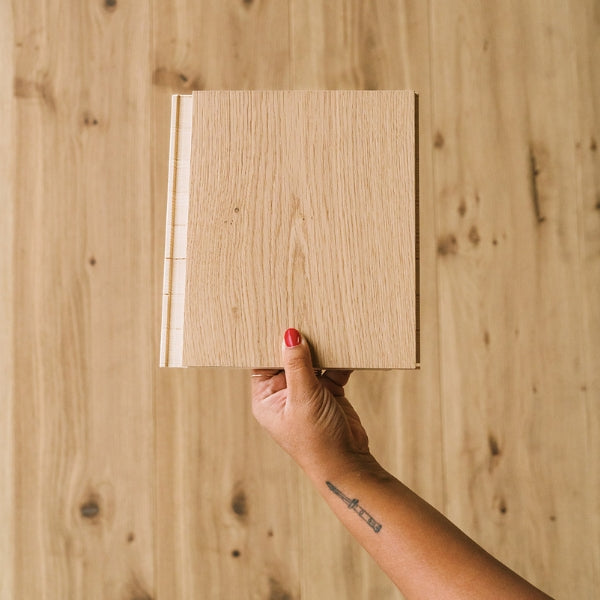
Stuga floors are factory-finished for ease, aesthetics, and consistent performance. | Photo: Likeness Studio
2. Site-Finishing
There’s a common belief that if a floor is finished on-site (in your home), it must be of higher quality. That’s not necessarily true.
Factory-finished engineered floors are typically more consistent and don’t require you to wait for the finish to cure in your home. Not to mention the smell.
Our acrylic-finished floors are cured using UV technology. This process cures the finish in seconds, creating a hard, crystal-clear finish that protects the wood while letting its natural beauty shine through.
What to look for instead: A finish that balances durability and clarity, and delivers a consistent, high-quality result throughout your space.

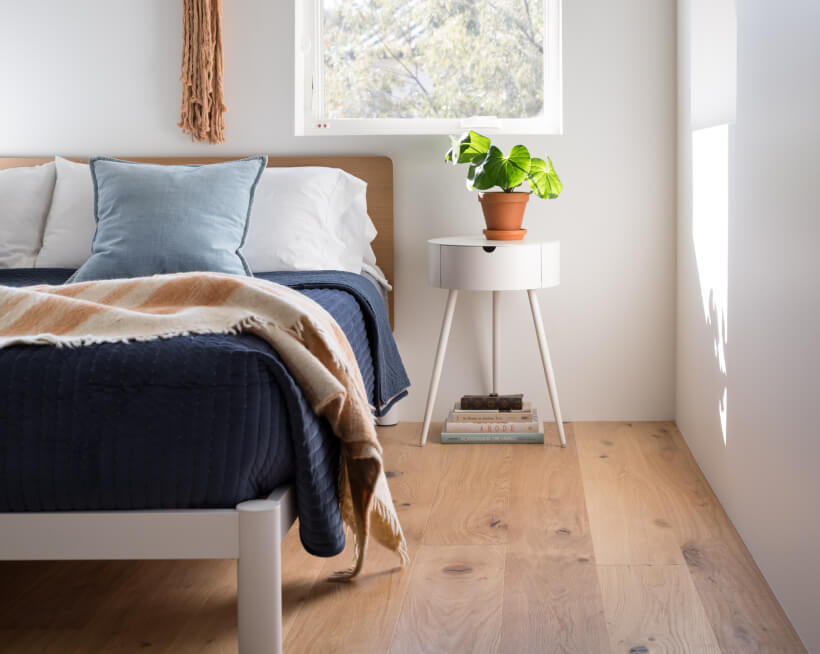
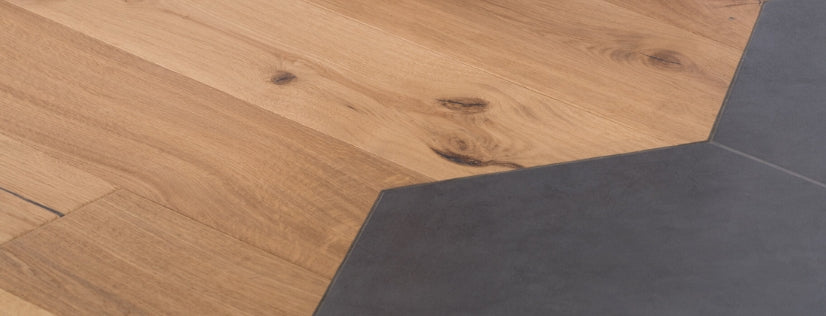
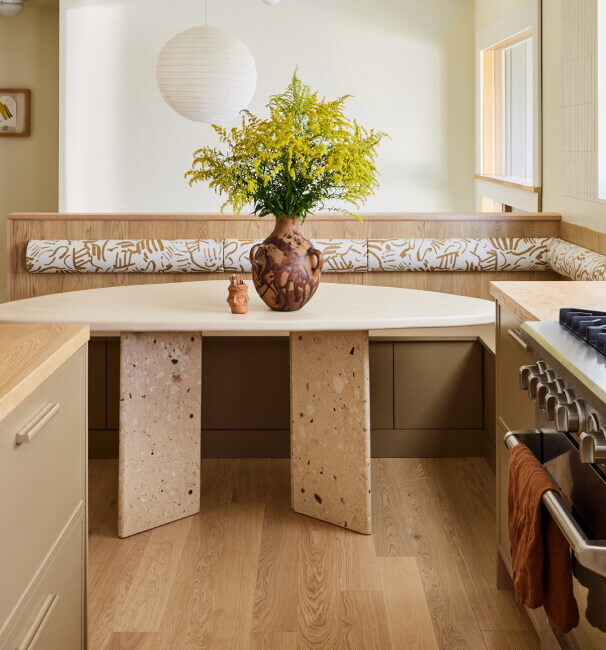
Our acrylic finishes strike a balance between practicality and beauty. | Floor pictured: Greta | Photo: Swift Studios
3. Aluminum Oxide Finishes
Aluminum oxide finishes are often marketed as highly scratch-resistant or even “scratch-proof.” The reality is more complicated.
These finishes contain tiny crystals that increase surface hardness, but they will still scratch and dent over time, just like any wood floor. As they age, aluminum oxide finishes tend to become cloudy and are nearly impossible to refinish.
Our acrylic finishes, by contrast, remain beautifully clear over time and never develop that cloudy appearance.
What to look for instead: A clear finish that ages gracefully and can be refreshed, rather than one that promises perfection but dulls the beauty of the wood below.

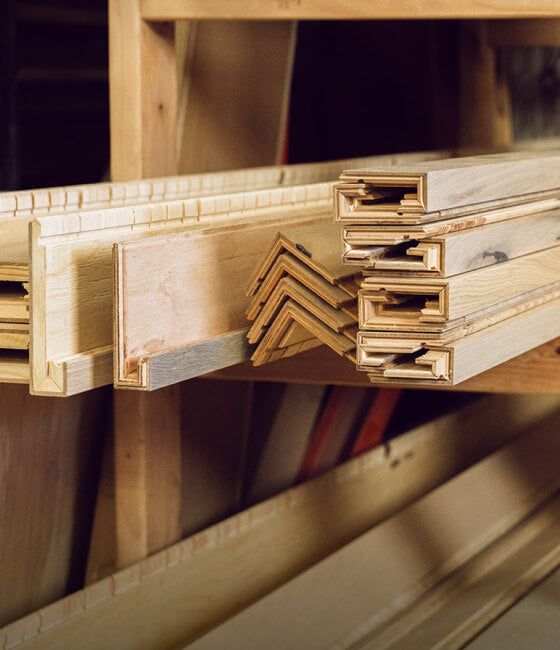
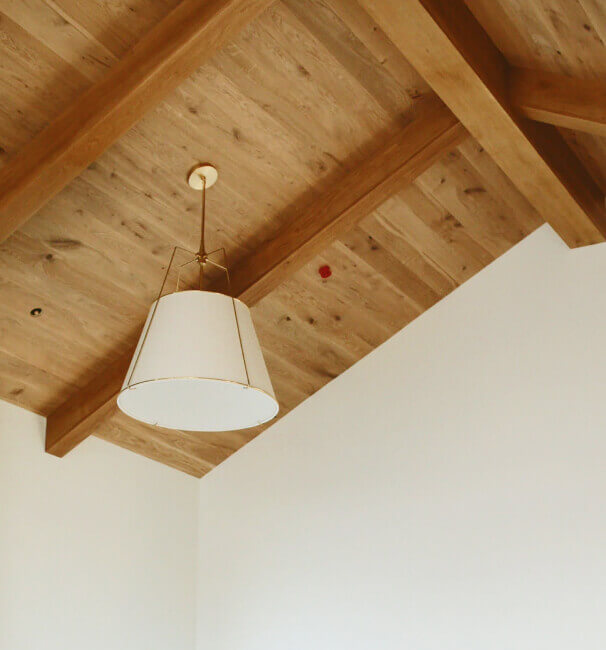
Our Icons include thick pine strips in the center to protect the oak wear layer from seasonal movement. | Photo: Likeness Studio
4. Plywood Cores
Plywood cores are often praised in the engineered hardwood world. Many manufacturers would lead you to believe that more layers mean higher quality. Plywood construction is actually cheaper to produce, does not perform better, and almost always contains added formaldehyde.
Our Icons feature a core made from thick pine strips, which expand and contract individually to protect the oak wear layer above from seasonal movement. This construction has been a proven standard in Europe for decades and contains no added formaldehyde.
What to look for instead: A core construction engineered for stability, longevity, and indoor air quality, not just industry buzzwords.
____
Good flooring isn’t about chasing the most talked-about features. It’s about understanding how a floor will perform in real homes, over real years of living.
Instead of focusing on hype, look for thoughtful construction, finishes that age well, and materials that support both beauty and health.